Pay in installments of $7.05 with
 ,
,
 and
and

Shipping Estimate
USA
- USA
- CAN
- USA
- CAN
Ships within 48 hours · Estimated delivery Jun 28 - Jul 3
 Promo Codes Available:
For Your Every Summer RSVP, with Code: SUMMER15
Description
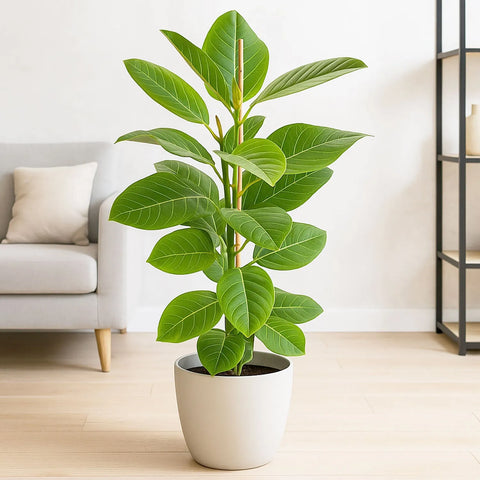
ficus altissima houseplant 95Ficus altissima, often called the Lofty Fig or Council Tree, is a stunning tropical tree species admired for its bold, leathery leaves and striking variegation. Native to Southeast Asia, this member of the Moraceae family is a close relative of the Rubber Plant (Ficus elastica) and the Fiddle Leaf Fig (Ficus lyrata), but it offers a more vibrant, tropical look thats both elegant and easy to maintain. Its large, oval leaves are a deep, glossy green
Ficus altissima, often called the Lofty Fig or Council Tree, is a stunning tropical tree species admired for its bold, leathery leaves and striking variegation. Native to Southeast Asia, this member of the Moraceae family is a close relative of the Rubber Plant (Ficus elastica) and the Fiddle Leaf Fig (Ficus lyrata), but it offers a more vibrant, tropical look that’s both elegant and easy to maintain.
Its large, oval leaves are a deep, glossy green with bright lime or yellow margins that give it a luminous, almost painted appearance. The foliage grows densely on upright, branching stems, forming a bushy, tree-like habit over time. Indoors, Ficus altissima brings structure and warmth, adding instant architectural appeal to living rooms, offices, and conservatories.
With its cheerful variegation and graceful form, Ficus altissima perfectly balances tropical vibrancy with modern sophistication — a must-have statement plant for design-conscious interiors.
Ficus altissima – Care Guide
Light
Thrives in bright, indirect light. A few hours of soft morning or late afternoon sun will enhance its variegation, but avoid harsh midday rays, which can scorch the leaves. Too little light may cause leaf drop or reduced colour contrast. East- or west-facing windows are ideal.
Watering
Water when the top 3–5 cm of soil feels dry. Keep the soil evenly moist but never soggy. During the growing season (spring and summer), water regularly and reduce frequency slightly in winter. Always ensure excellent drainage — Ficus altissima dislikes sitting in water.
Temperature and Humidity
Temperature: Prefers warm conditions between 18–28 °C. Avoid cold drafts, air-conditioning vents, or temperatures below 15 °C.
Humidity: Moderate humidity (50–70%) is ideal. It will tolerate average indoor humidity but appreciates occasional misting or placement near other tropical plants.
Soil and Potting
Use a rich, well-draining potting mix — a blend of compost, perlite, and a little bark or sand works well. Repot every 2–3 years in spring, or when the roots begin to fill the pot. Choose a heavy, stable container to support its upright growth.
Feeding
Feed every 4–6 weeks during spring and summer with a balanced liquid fertiliser diluted to half strength. Reduce or stop feeding during autumn and winter. Over-fertilising can cause salt build-up and browning leaf tips.
Pruning and Maintenance
Prune in spring or summer to shape the plant or control its height. Remove yellow or damaged leaves and any weak stems. Wipe the leaves regularly with a damp cloth to remove dust and maintain their glossy finish. Rotate occasionally for even growth.
Growth and Maturity
A moderate to fast grower indoors, Ficus altissima can reach 1.5–2.5 metres in height over time. In ideal conditions, it develops a full, tree-like form with multiple branches and dense variegated foliage. It’s long-lived and becomes more impressive with age.
Common Issues
-
Leaf drop: Common after relocation or sudden temperature changes.
-
Yellow leaves: Overwatering or poor drainage.
-
Brown edges: Low humidity or under-watering.
-
Pests: Occasionally affected by scale or spider mites — wipe leaves and treat with neem oil if needed.
Background and Benefits
Native to tropical regions of Southeast Asia, Ficus altissima grows as a large canopy tree in the wild, sometimes reaching over 30 metres in height. As a houseplant, it’s prized for its compact growth, bright foliage, and adaptability to indoor conditions.
Like other Ficus species, it’s a natural air purifier, helping to filter toxins such as formaldehyde and xylene. Its lush, variegated leaves and strong vertical growth make it a favourite for interior designers and plant collectors alike.
Quick Care Summary
-
Light: Bright, indirect light; avoid harsh direct sun
-
Water: Keep soil evenly moist; allow top 3–5 cm to dry
-
Temperature: 18–28 °C; avoid below 15 °C
-
Humidity: Moderate (50–70%)
-
Soil: Rich, well-draining mix – compost, perlite, bark
-
Feed: Every 4–6 weeks in spring/summer
-
Growth: 1.5–2.5 m indoors; glossy green and yellow variegated foliage
⚠️ Toxicity note: Toxic to pets and humans if ingested; sap may cause mild skin irritation.
Styling Tip
Showcase Ficus altissima as a floor-standing feature in a bright living room or office. Its upright form and vibrant foliage make it an ideal statement plant for corners, window areas, or entranceways. Pair it with neutral or black planters to highlight its variegation, or group it with deep-green tropicals such as Philodendron ‘Imperial Green’ or Monstera deliciosa for a lush, layered look. A modern, easy-care alternative to the Fiddle Leaf Fig, Ficus altissima brings both sophistication and a touch of the tropics to any interior.
Shipping Notes
- Free Standard Shipping on $100+ Orders to the USA.
- Except Preorder products are shipped in 48 hours.
- Delivery to the USA:
- Standard Shipping : 3-10 business days
- If time is of the essence, please consider selecting expedited delivery for faster service.
Exchange/Return Notes
- We offer a 30-day return/exchange service after receiving.
- Final sale items are not eligible for returns or exchanges.
- To process your return/exchange, please contact us at [email protected]
- Please click here for more details>>> Return & Exchange Policy