Pay in installments of $5.97 with
 ,
,
 and
and

Shipping Estimate
USA
- USA
- CAN
- USA
- CAN
Ships within 48 hours · Estimated delivery Jun 28 - Jul 3
 Promo Codes Available:
For Your Every Summer RSVP, with Code: SUMMER15
Description
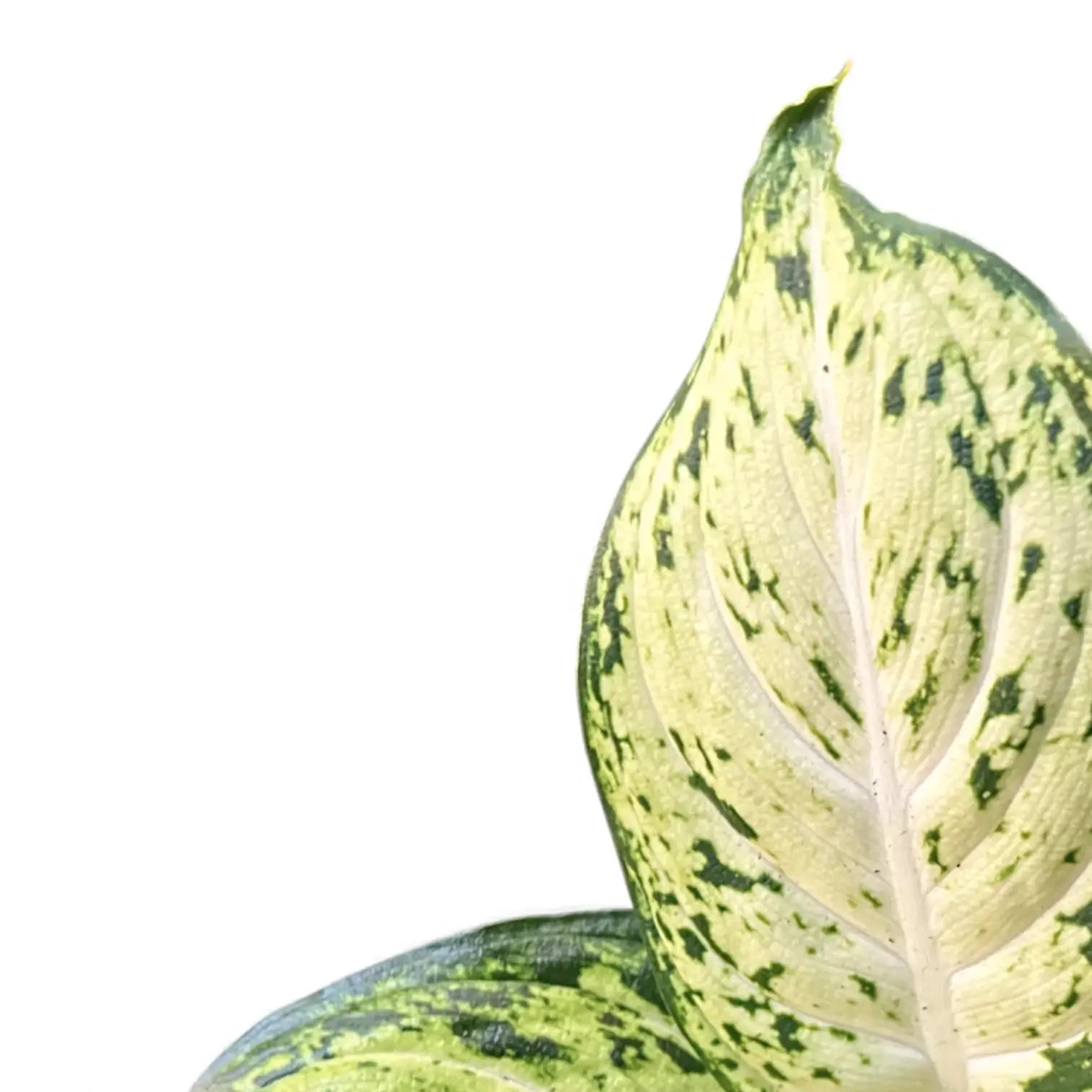
dieffenbachia white stem Dieffenbachia 'Amy' | Cream-Green CaneDieffenbachia 'Amy' Cream green Dieffenbachia 'Amy' foliage With a firm upright cane and broad glossy leaves, Dieffenbachia 'Amy' shows green and cream to pale yellow patterning above a clear vertical stem. The crown builds from the top of the stem, giving the plant a defined upright line in the pot. New leaves open from the crown, while older lower leaves may naturally age away as the stem develops. A firm cane base, active upper leaves and an evenly
Dieffenbachia 'Amy'
Cream-green Dieffenbachia 'Amy' foliage
With a firm upright cane and broad glossy leaves, Dieffenbachia 'Amy' shows green and cream-to-pale-yellow patterning above a clear vertical stem. The crown builds from the top of the stem, giving the plant a defined upright line in the pot.
New leaves open from the crown, while older lower leaves may naturally age away as the stem develops. A firm cane base, active upper leaves and an evenly moist airy root ball indicate stable growth.
Dieffenbachia 'Amy' plant profile
- Upright cane-form Dieffenbachia with a defined patterned crown
- Broad glossy leaves with green and cream-to-yellow patterning
- Sheathing petioles that clasp the stem as each new leaf develops
- Tropical indoor aroid for bright filtered or gentle medium light
- Pale leaf tissue that can mark under harsh sun, dry root pockets or fertiliser salt build-up
Dieffenbachia seguine cane growth
Dieffenbachia seguine is an accepted aroid species from the Caribbean and tropical South America, with stout stems, large alternate leaves and petioles that sheath the cane.
Older names such as Dieffenbachia maculata and Dieffenbachia picta still appear for related dumb cane plants, while much of this cultivated material is now generally placed within Dieffenbachia seguine.
Mature Dieffenbachia can form a spadix and spathe, the typical flowering structure of aroids. Indoors, broad patterned leaves gather around a firm upright cane.
Dieffenbachia 'Amy' care
- Light: Offer bright indirect light or soft medium light. Use a curtain or distance from the glass where pale tissue faces midday sun.
- Watering: Water thoroughly once the top layer has dried. Keep moisture even while new leaves are forming and slightly lighter during cooler months.
- Substrate: Use an airy aroid mix with bark, coir or fine organic material plus pumice or perlite for root oxygen.
- Drainage: Grow in a pot with drainage holes and clear excess water from decorative outer pots after watering.
- Temperature: Keep around 18–27 °C. Warm roots keep the cane firm after watering.
- Humidity: Moderate ambient humidity reduces sticking and dry edges on new leaves. Even substrate moisture matters more than spraying the foliage.
- Feeding: Use a gentle balanced fertiliser in spring and summer, then flush the substrate occasionally to limit salt build-up.
- Pot balance: Rotate the plant occasionally so the crown develops evenly around the stem.
- Repotting: Repot in spring or early summer when roots fill the container. Move up by one pot size and keep the cane base at the same level.
- Pruning and propagation: Cut away spent leaves cleanly at the petiole base. Stem sections and top cuttings root in warm, humid conditions when each cutting includes a viable node.
Amy leaf and cane checks
- Brown marks on pale leaf areas: Check for direct sun, heat through glass, dry root pockets or fertiliser salt build-up.
- Several yellow leaves at once: Inspect the root ball for excess moisture, cold substrate or a sharp light change.
- Soft cane base: Review drainage, reduce moisture around the stem and inspect the roots.
- New leaf unfolding unevenly: Check humidity, watering consistency and the emerging leaf sheath.
- Leaning crown: Rotate the pot and check whether the root ball is secure. A discreet stake steadies a taller cane.
Amy sap and careful handling
Dieffenbachia 'Amy' contains calcium oxalate raphides in the sap, so chewed or swallowed tissue can irritate oral tissue, skin and eyes. Keep the pot in a low-contact position away from pets and children, use gloves for pruning and clean tools after contact with cut tissue.
Amy aroid family and name
Dieffenbachia belongs to Araceae, the aroid family, and the genus honours Joseph Dieffenbach of the Schönbrunn palace gardens in Vienna. Dieffenbachia seguine (Jacq.) Schott is the accepted species behind many dumb cane houseplants with upright canes and patterned leaves.
Dieffenbachia 'Amy' combines upright cane growth with cream-green leaves and crisp margins.
Shipping Notes
- Free Standard Shipping on $100+ Orders to the USA.
- Except Preorder products are shipped in 48 hours.
- Delivery to the USA:
- Standard Shipping : 3-10 business days
- If time is of the essence, please consider selecting expedited delivery for faster service.
Exchange/Return Notes
- We offer a 30-day return/exchange service after receiving.
- Final sale items are not eligible for returns or exchanges.
- To process your return/exchange, please contact us at [email protected]
- Please click here for more details>>> Return & Exchange Policy