Pay in installments of $7.23 with
 ,
,
 and
and

Shipping Estimate
USA
- USA
- CAN
- USA
- CAN
Ships within 48 hours · Estimated delivery Jun 28 - Jul 3
 Promo Codes Available:
For Your Every Summer RSVP, with Code: SUMMER15
Description
cantaloupe seeds for planting Seed PacketOverview Cantaloupes are a type of melon with a tan green rind. They are a delicious, heat loving melon with a relatively long growing season, making them especially well suited for southern gardeners. Conditions Cantaloupes do best in well draining soil thats a mix between loamy and sandy. Amend the soil with aged manure or compost before planting, as cantaloupes are heavy feeders. For best quality crop, provide full sun (6+ hours of direct sunlight
Overview
Cantaloupes are a type of melon with a tan-green rind. They are a delicious, heat-loving melon with a relatively long growing season, making them especially well-suited for southern gardeners.
Conditions
Cantaloupes do best in well-draining soil that’s a mix between loamy and sandy. Amend the soil with aged manure or compost before planting, as cantaloupes are heavy feeders. For best quality crop, provide full sun (6+ hours of direct sunlight per day). Cantaloupes also need ample vining space, so plan accordingly.
Planting
Cantaloupes are commonly planted directly in the garden once soil temperatures have reached at least 60°F. Use our grow calendar tool to find specific planting dates for your region! Seeds germinate in 7-14 days.
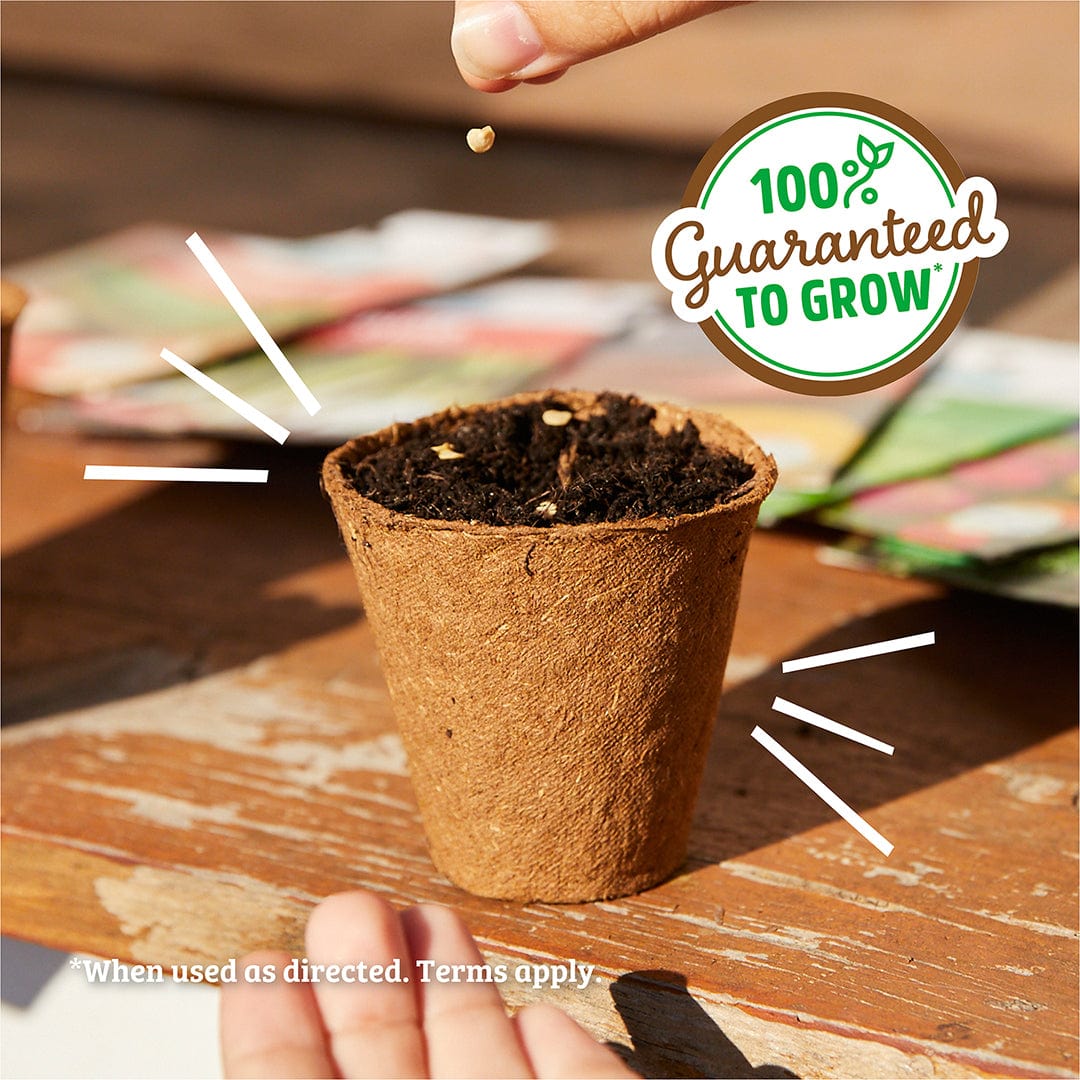
Plant seeds ½" inch deep in groups of 4-6, with each group spaced 4-6 feet apart. Plant seeds in hills or hilled rows to help with proper drainage. Thin to plant per group as seedlings develop.
Care
Row covers are a good way to keep pests like squash bugs and vine borers at bay.
While the plants are growing, blooming, and setting fruit, they need 1 to 2 inches per square foot of water (about 1.5 gallons) per week. Use a drip irrigation system or water in the morning. Reduce watering once fruits are growing, as dry weather produces the sweetest melons.
Prune vines once fruit begins to grow to ensure best quality melons.
Male flowers may arrive several weeks before females appear - don’t be discouraged when first blooms do not produce fruit. Melon flowers do require pollination, so if bees are limited you must self-pollinate flowers.
Harvest
When rinds begin to change from green to tan or yellow, the melon is typically ripe enough to pick. Look for a crack in the stem where it attaches to the fruit. This is a sign of ripeness as well. The fruit should be easy to separate from the vine.
Shipping Notes
- Free Standard Shipping on $100+ Orders to the USA.
- Except Preorder products are shipped in 48 hours.
- Delivery to the USA:
- Standard Shipping : 3-10 business days
- If time is of the essence, please consider selecting expedited delivery for faster service.
Exchange/Return Notes
- We offer a 30-day return/exchange service after receiving.
- Final sale items are not eligible for returns or exchanges.
- To process your return/exchange, please contact us at [email protected]
- Please click here for more details>>> Return & Exchange Policy