Pay in installments of $5.17 with
 ,
,
 and
and

Shipping Estimate
USA
- USA
- CAN
- USA
- CAN
Ships within 48 hours · Estimated delivery Jun 28 - Jul 3
 Promo Codes Available:
For Your Every Summer RSVP, with Code: SUMMER15
Description
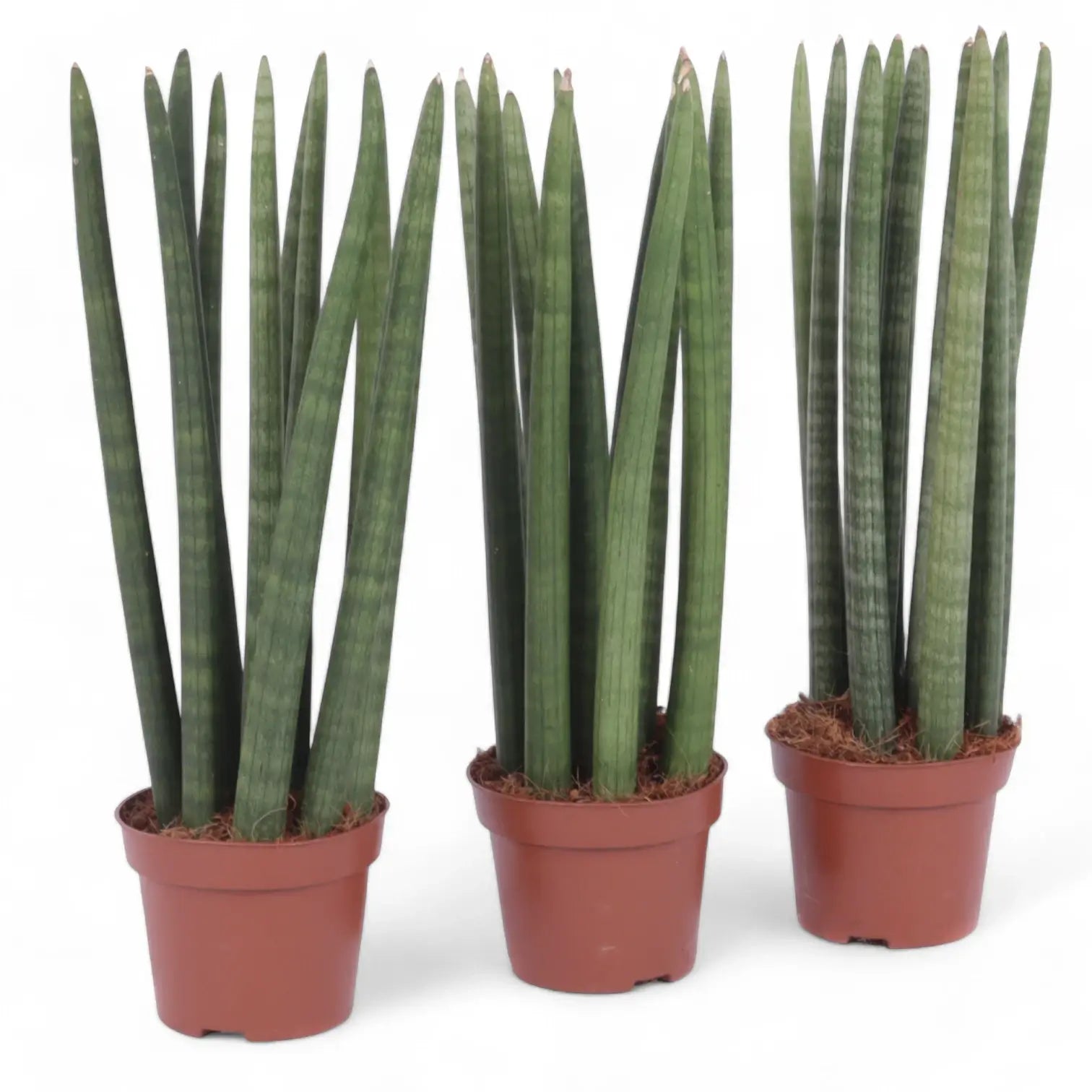
cylindrical snake plant price Dracaena angolensisDracaena angolensis (Sansevieria cylindrica) Dracaena angolensis is the cylindrical snake plant still widely recognised as Sansevieria cylindrica. Its leaves rise from the base as thick grey green spears with subtle banding and a rounded cross section. The plant starts with a narrow footprint, then gradually adds basal shoots from its rhizome. Mature leaves can become long and heavy, so a stable pot helps the plant sit securely as it develops. Spears
Dracaena angolensis (Sansevieria cylindrica)
Dracaena angolensis is the cylindrical snake plant still widely recognised as Sansevieria cylindrica. Its leaves rise from the base as thick grey-green spears with subtle banding and a rounded cross-section.
The plant starts with a narrow footprint, then gradually adds basal shoots from its rhizome. Mature leaves can become long and heavy, so a stable pot helps the plant sit securely as it develops.
Spears from a basal rosette
- Cylindrical, pointed leaves with a water-storing texture.
- Grey-green banding that follows the curved leaf surface.
- Rhizomatous growth with new shoots emerging from the base.
- Steady indoor development in a pot with excellent drainage.
African spear growth and rhizomes
Dracaena angolensis is native to southern tropical Africa, including Angola, Zambia and Zimbabwe. It grows as a rhizomatous geophyte in seasonally dry tropical habitats, which explains its tolerance of dry intervals and its sensitivity to cold, wet substrate.
Indoors, the plant builds height and density through the same pattern: thick foliage above, gradual rhizome spread below. New shoots may eventually fill the pot and create a denser cluster of spears.
Care for cylindrical spear leaves
- Light: Place in a bright position with gentle direct sun if introduced gradually.
- Watering: Water thoroughly after the substrate has dried deeply; reduce watering during cooler months.
- Substrate: Use a gritty, mineral-rich mix that lets water pass quickly through the pot.
- Pot weight: Use a heavier container to balance mature leaves as they gain height.
- Temperature: Keep the plant warm and dry through winter, especially after watering.
- Leaf care: Cut damaged leaves at the base with a clean blade; old scars stay visible on mature foliage.
When the base or leaves change
- Dark soft tissue: Inspect the rhizome if the lower leaf base turns mushy or collapses.
- Thin new leaves: Increase light gradually if fresh growth appears weak or stretched.
- Loose plant in the pot: Check for root loss after overwatering, then restart in a drier substrate if needed.
- Fine webbing or white clusters: Treat spider mites or mealybugs early, especially around the grooves and leaf bases.
Safe placement in the home
Dracaena angolensis contains saponins and is toxic if ingested by cats or dogs. Keep it out of reach of pets and small children, and wash hands after cutting damaged leaves if your skin is sensitive.
Why both names appear
The accepted botanical name is Dracaena angolensis. The familiar synonym Sansevieria cylindrica refers to the cylindrical leaves, while angolensis means “of Angola.” Dracaena itself comes from Greek drakaina, meaning female dragon.
Dracaena angolensis has cylindrical leaves, rhizome-led growth and a narrow indoor footprint.
Shipping Notes
- Free Standard Shipping on $100+ Orders to the USA.
- Except Preorder products are shipped in 48 hours.
- Delivery to the USA:
- Standard Shipping : 3-10 business days
- If time is of the essence, please consider selecting expedited delivery for faster service.
Exchange/Return Notes
- We offer a 30-day return/exchange service after receiving.
- Final sale items are not eligible for returns or exchanges.
- To process your return/exchange, please contact us at [email protected]
- Please click here for more details>>> Return & Exchange Policy